 MADE IN U.S.A.

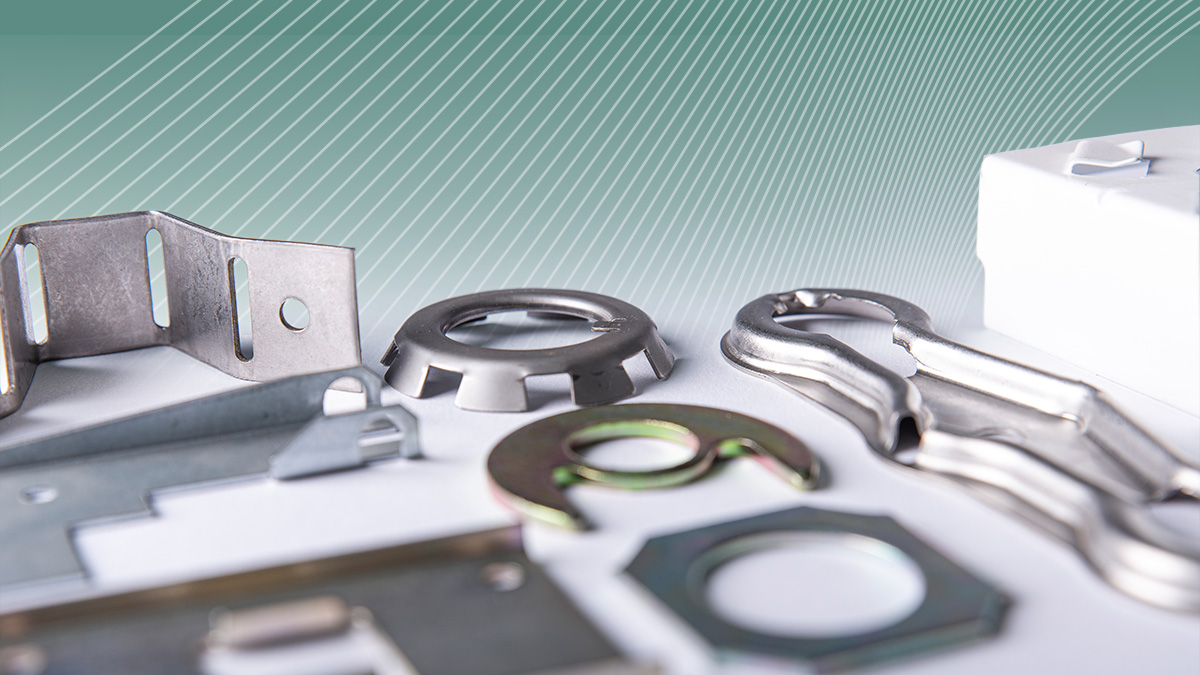
A single batch of out-of-tolerance stampings can bring an assembly line to a standstill. For manufacturers who rely on precision metal components, such as automotive brackets, lighting hardware, plumbing fittings and valve bodies, their production flow depends on the reliability of their metal stamping partner. Any one of numerous factors can derail production and shut down manufacturing, ruining profitability. Factors such as poor quality, missed deliveries or sparse communication leading the list of the most common reasons companies find themselves searching for a new supplier.
The global metal stamping market is projected to grow from roughly $237 billion to over $316 billion by 2030 — a reflection of the essential nature of stamped components across nearly every manufacturing sector. That level of volume illustrates the importance of selecting the right stamping partner. One way to help select the right metal stamping partner by gaining a better understanding of each stage of this process. A deeper understanding helps customers ask the right questions, set realistic expectations, and recognize what separates a reliable supplier from one that will eventually let you down.
What Is the Metal Stamping Process?
Metal stamping is a manufacturing process that uses dies, punches, and presses to cut, form, and shape sheet metal into specific configurations. Multiple industries rely on this process for components because it produces consistent, high-tolerance parts at scale, including industries such as:
- Automotive
- Fastener and hardware
- Plumbing
- Lighting
- Valve manufacturing
Once tooling is in place, stamped components can be reproduced with exceptional accuracy across thousands or even millions of runs.
Steps in the Metal Stamping Process
Step 1: Part Design (Customer-Provided)
The metal stamping process begins with a digital part design — typically a CAD file or engineering drawing created by the customer or their design team. This step happens before a stamping manufacturer like Elyria Spring ever enters the picture. The quality of the design directly affects what is achievable in production: accurate tolerances, realistic material specifications, and well-defined dimensions all make downstream steps faster and more precise. Elyria Spring works from the customer’s digital design and desired specifications, so having a complete and accurate file ready is the critical starting point.
Step 2: Tooling and Die Production
Once a design is received, the next step is building the tooling — the custom dies and punches that will form the part. This is one of the most technically demanding stages of the metal stamping process. The die must be engineered to match the exact geometry of the part, account for material springback, and withstand the repeated stress of high-volume production. Elyria Spring handles tool and die production in-house, which means tighter control over quality and lead times, and the ability to fine-tune tooling when adjustments are needed.
Due to the expense of creating the tool and die used for mass production, companies need to supply firm figures for component size and specifications.
Step 3: Material Selection and Preparation
Selecting the right material is essential to producing a part that performs in its intended application. Common materials used in metal stamping include cold-rolled steel, stainless steel, aluminum, brass, and copper. The material must be compatible with the stamping method, the required thickness, and any finishing treatments that follow production. Elyria Spring stamps components up to 1/8 inch thick and works with a variety of metals and finishes to meet each customer’s specific requirements.
Step 4: Production Stamping
With tooling built and material staged, production begins. The sheet metal is fed into the press, where the die performs its operation — cutting, bending, piercing, drawing, or a combination — with each press stroke. Elyria Spring operates punch presses ranging from 30 to 176 tons of capacity, allowing for a wide range of part sizes and complexities. The mechanical nature of the process ensures that every part produced matches the one before it, making stamping ideal for medium to high-volume runs that demand consistency.
Step 5: Quality Control, Finishing, and Delivery
After parts are stamped, they undergo inspection to verify they meet dimensional and quality specifications. Secondary operations such as grinding, assembly, or custom packaging may also be performed depending on the application. Elyria Spring’s ISO 9001:2015 certification reflects a commitment to quality at every stage of production. The company also offers vendor managed inventory (VMI) and kitting services, making it easier for customers to manage supply chain complexity without added overhead.
Types of Metal Stamping
Not all metal stamping is the same. The method used depends on part complexity, production volume, tolerances, and material requirements. The four most common types are:
Progressive Die Stamping
In progressive die stamping, a strip of metal moves through a series of stations within a single die, with each station performing a different operation — punching, bending, cutting — until the finished part is complete. This method is highly efficient for high-volume production and produces very little material waste. Elyria Spring specializes in progressive die stamping, making it the go-to choice for customers who need large quantities of precise, repeatable parts.
Multi-Slide (Fourslide) Metal Stamping
Multi-slide — or fourslide — stamping uses multiple tooling slides that approach the part from different directions simultaneously, allowing for complex bends and shapes in a single operation. This method is particularly cost-effective for small, intricate components with multiple bends. Elyria Spring offers fourslide capabilities as part of its manufacturing portfolio, providing customers with an efficient alternative for parts that would otherwise require multiple setups or operations.
Partner With Elyria Spring for Your Metal Stamping Needs
With more than 75 years of manufacturing experience, Elyria Spring & Stamping has built its reputation on the things that matter most to manufacturers: consistent quality, responsive communication, and on-time delivery. From in-house tooling and production through quality control and fulfillment, the team at Elyria Spring manages every step — so problems get caught before they reach your floor, not after.
If your current supplier isn’t meeting the standard, or you’re launching a new component and need a partner you can count on, contact Elyria Spring today to discuss your application and request a quote.